10-Day Family Itinerary in Japan (2026)
AI-generated guide, checked with an automated quality process. Details are linked to official sources where possible — always confirm before you travel. We don’t take paid or sponsored stays — we recommend places on merit. How we make these guides →
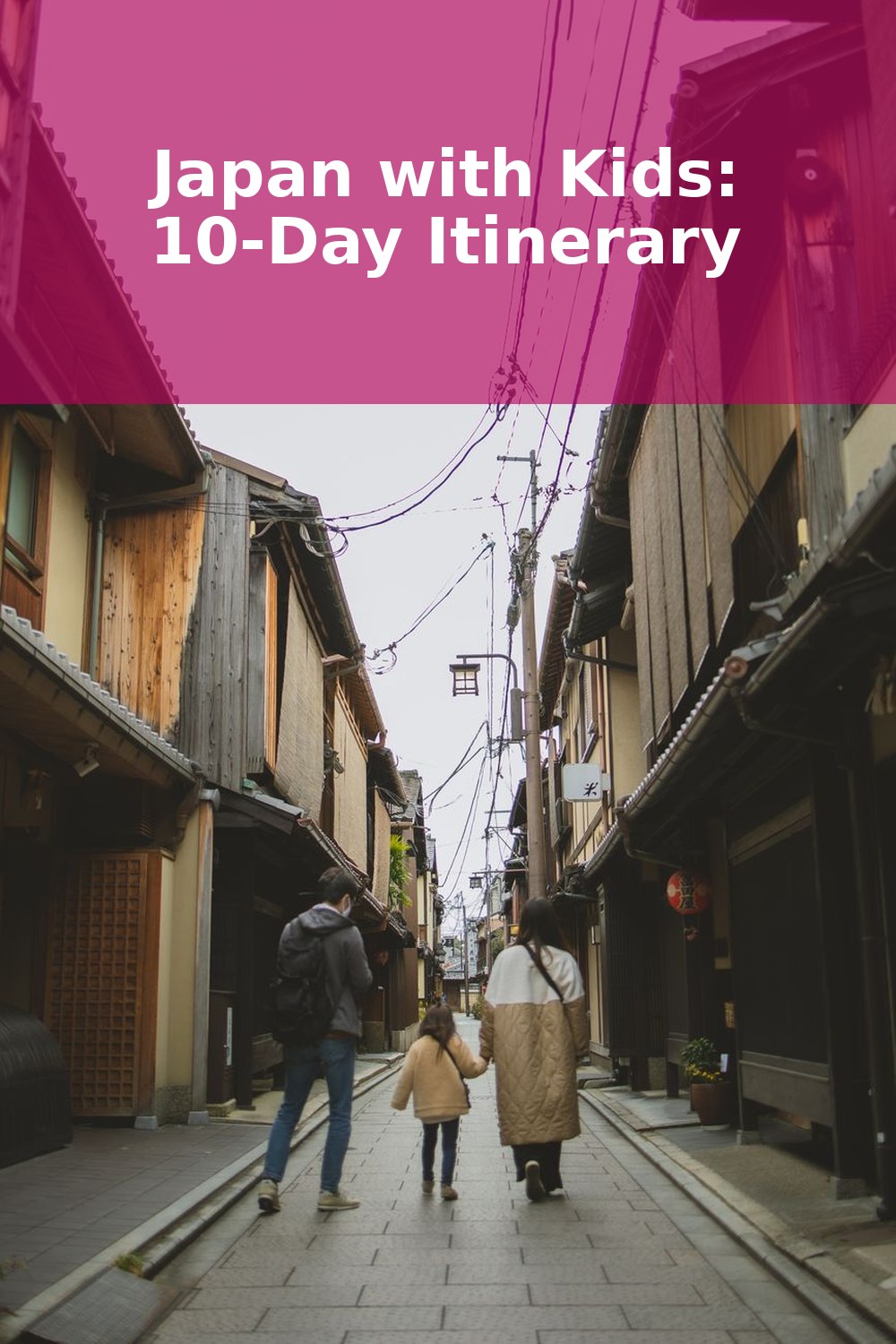
For families traveling to Japan with young children, a 10-day itinerary covering Tokyo, Kyoto, and Osaka offers a delightful mix of culture, adventure, and fun. Imagine your little ones gazing wide-eyed at the mesmerizing sights of Tokyo and finding joy in traditional Kyoto temples and vibrant Osaka street food. Now, that’s a journey worth packing for!
- Explore kid-friendly attractions in Tokyo, Kyoto, and Osaka.
- Discover convenient transportation options.
- Savor delicious and child-friendly food.
- Engage in unique cultural experiences.
- Find safety tips and logistical advice.
Day 1-3: Tokyo – The Urban Wonderland
Kick off your adventure in Tokyo. Start at Ueno Zoo, where kids can see giant pandas and a variety of animals. Admission is around 600 yen for adults and 200 yen for children (as of 2026, confirm on the official site). The zoo is stroller-friendly, making it an easy outing for families.
Next, head to Asakusa to explore Senso-ji Temple. The vibrant Nakamise Street leading to the temple offers snacks and souvenirs. Don't miss trying ningyo-yaki (small cakes filled with sweet red bean paste) — a real hit with kids. Cap off your day at Tokyo Skytree, where the view will leave everyone speechless, and the kids might even forget their tired feet for a moment.
Day 4: A Day Trip to Disney Resort
Spend a magical day at Tokyo Disneyland or Tokyo DisneySea. Both parks are incredibly family-friendly, with attractions suitable for all ages. Book skip-the-line family tickets on Klook to maximize your time and minimize the stress of long queues. Remember to pack some snacks for the inevitable “I’m hungry!” moments!
Day 5-7: Kyoto – A Glimpse of Tradition
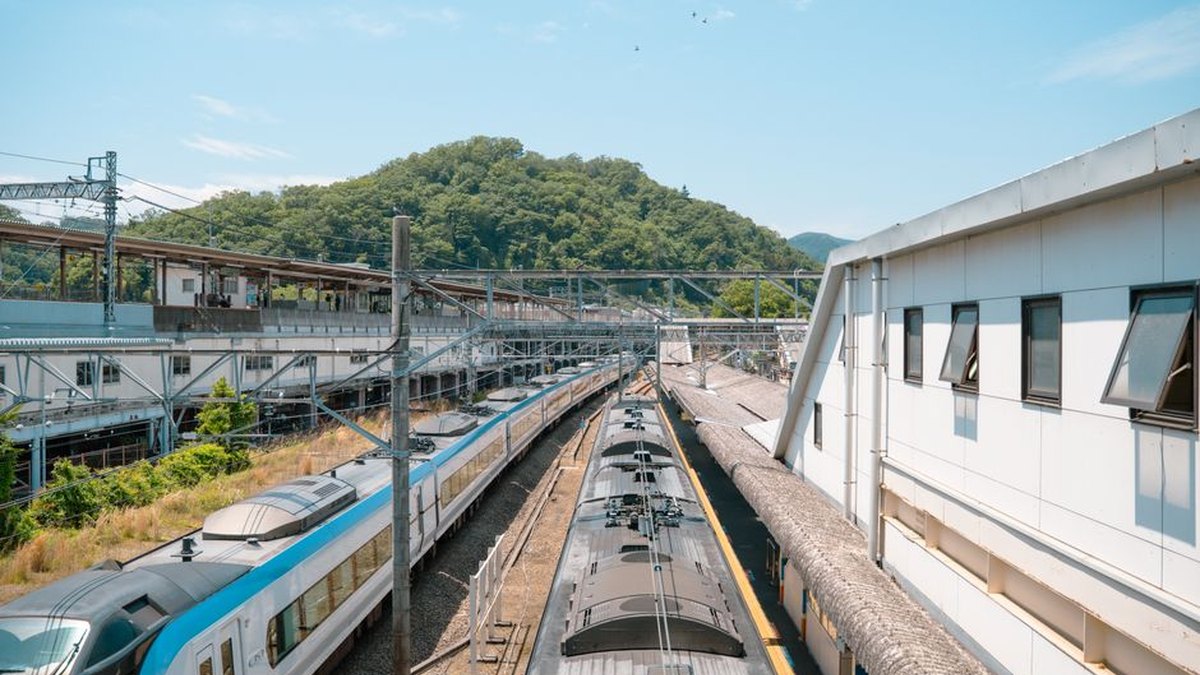
Travel to Kyoto via the Shinkansen (bullet train). The ride takes about 2 hours and is a thrilling experience for kids. Grab a Kyoto City Bus One-Day Card for unlimited bus rides, which is convenient for families. Once you arrive, visit Kinkaku-ji (the Golden Pavilion), where kids can marvel at the shimmering gold leaf on the temple as they run around the gardens.
On Day 6, dive into Kyoto's historic charm with a visit to Fushimi Inari Taisha, famous for its thousands of vermillion torii gates. It’s a bit of a hike, but the trails are manageable for young children, and they’ll love the adventure. End the day with a stroll through the Gion District to catch glimpses of geishas and enjoy a traditional kaiseki dinner. Many restaurants offer kids' menus, so no worries about picky eaters!
Day 8-10: Osaka – Food and Fun
Next up, Osaka! A quick train ride from Kyoto, this city is a paradise for food lovers. Start at Osaka Aquarium Kaiyukan, one of the largest aquariums in the world. Kids can see whale sharks and interactive exhibits, with tickets priced around 2,400 yen for adults and 1,200 yen for children (as of 2026, confirm on the official site).
For lunch, head to Dotonbori, where you can savor iconic street foods like takoyaki (octopus balls) and okonomiyaki (savory pancakes). Parents will appreciate the vibrant atmosphere, while kids can engage with the quirky neon signs and street performers. Don’t forget to snap a family photo with the famous Glico Man sign!
| City | Key Attractions | Transport Tips |
|---|---|---|
| Tokyo | Ueno Zoo, Senso-ji, Disney Resort | Subway & buses (stroller-friendly) |
| Kyoto | Kinkaku-ji, Fushimi Inari, Gion | Bus One-Day Card |
| Osaka | Osaka Aquarium, Dotonbori | Trains & walking |
Day-by-day: a kid-paced 10-day Tokyo–Kyoto–Osaka route
The sections above cover logistics; here is the actual route, matched to the Tokyo (Days 1–4), Kyoto (Days 5–7) and Osaka (Days 8–10) split at the top. It is deliberately gentle — roughly one anchor activity per day, with an indoor rainy-day backup for each. Opening days, hours and prices change and some places sell out, so confirm on each official site before you go. Book well ahead: the Ghibli Museum, teamLab Planets, Tokyo Disney Resort and Universal Studios Japan commonly sell out, and walk-up tickets are often unavailable.
Day 1 — Tokyo: Ueno (easy arrival day)
Morning: Ease into the trip at Ueno Zoo (giant pandas and a small children's zoo), set inside leafy Ueno Park. Afternoon: Stroll the park's ponds and playgrounds; the science and nature museum in the park is a good low-energy option. Getting around: Ueno Station is a big JR and Metro hub, and almost everything today is walkable. Kid tip: Jet-lagged toddlers fade by mid-afternoon — keep day one short and flexible. Rainy day: Move indoors to the museums clustered in the park.
Day 2 — Tokyo: Odaiba & Toyosu (all-weather day)
Morning: teamLab Planets TOKYO in Toyosu — a barefoot, walk-through digital art space kids love (book a timed entry in advance). Afternoon: Hands-on science at Miraikan on Odaiba. Getting around: The driverless Yurikamome line to Odaiba is a thrill in itself — sit at the very front. Kid tip: teamLab involves shallow water; bring or wear shorts that roll up. Rainy day: Both venues are fully indoors, so this is your rain-insurance day.
Day 3 — Tokyo: Mitaka & Asakusa
Morning: The Ghibli Museum, Mitaka — entry is by advance-only timed ticket (no same-day sales), so lock this in first; the adjacent Inokashira Park has space to run. Afternoon: The old-Tokyo streets and historic temple of the Asakusa district. Getting around: Chuo line to Mitaka, then Metro across to Asakusa. Kid tip: The name on the Ghibli ticket must match the passport. Rainy day: Swap Asakusa for the indoor Sumida Aquarium at Tokyo Skytree.
Day 4 — Tokyo: a Disney park
Morning & afternoon: A full day at Tokyo Disney Resort. With young children, Tokyo Disneyland's fantasy areas tend to suit better than DisneySea's bigger rides — pick one park and take it slow. Getting around: Take the JR line to Maihama, then the resort monorail. Kid tip: Buy dated tickets ahead and plan an afternoon break back near the gate for naps. Rainy day: The parks run rain or shine and have many indoor attractions; pack light ponchos.
Day 5 — Tokyo to Kyoto (travel day)
Morning: Ride the Tokaido Shinkansen from Tokyo to Kyoto (about 2 hours 20 minutes). If you are travelling with the largest suitcases, reserve an oversized-baggage seat in advance at no extra charge. Afternoon: About a 20-minute walk (or short bus ride) from Kyoto Station, the Kyoto Railway Museum is a perfect post-train wind-down, with real locomotives and a hands-on play area. Getting around: Store bags in station lockers or send them ahead to your hotel by luggage courier. Kid tip: Book seats together early on busy travel dates. Rainy day: The museum is largely indoors.
Day 6 — Kyoto: Umekoji
Morning: Kyoto Aquarium (penguins and a big sea-life hall) sits inside Umekoji Park, so you can pair tanks with lawns and a playground. Afternoon: If energy allows, the Arashiyama bamboo area is a scenic, mostly-flat walk. Getting around: Umekoji is a short walk or bus from Kyoto Station; Arashiyama is an easy train ride west. Kid tip: Kyoto's buses get crowded — a stroller-friendly train route is calmer. Rainy day: Stay put at the indoor aquarium.
Day 7 — Day trip to Nara
Morning: Nara Park, where friendly wild deer roam and you can buy special crackers to feed them. Afternoon: The Great Buddha hall at Todaiji Temple, a short walk across the park. Getting around: Nara is about 45 minutes from Kyoto by JR or Kintetsu train. Kid tip: Hold snacks tight — the deer are bold; teach little ones to keep hands flat. Rainy day: The temple halls are covered and the deer are out in any weather.
Day 8 — Osaka: the bay
Morning: Osaka Aquarium Kaiyukan, one of Japan's best, built around a huge central tank with a whale shark. Afternoon: The Tempozan Harbor Village next door has a big Ferris wheel and a market for an easy lunch. Getting around: Osakako Station on the Chuo subway line is right there. Kid tip: Go early; the spiral ramp down through the tanks gets busy by midday. Rainy day: The aquarium is entirely indoors.
Day 9 — Osaka: theme park or tower
All day: Universal Studios Japan, with Super Nintendo World and gentler areas for younger kids (buy dated tickets in advance). Toddler alternative: A calmer day at the Abeno Harukas 300 observatory plus the wide lawns of the adjacent Tennoji Park. Getting around: USJ has its own JR station (Universal City); Abeno Harukas sits above Tennoji Station. Kid tip: Height limits apply on big USJ rides — check them before you queue. Rainy day: USJ runs in the rain; the observatory is indoors.
Day 10 — Osaka: castle & departure
Morning: Osaka Castle and its large park — ninja and samurai displays inside, plenty of open space outside. Afternoon: Head to Kansai (KIX) or Itami airport with time to spare. Getting around: Osakajokoen Station rings the park; airport express trains and limousine buses leave from central Osaka. Kid tip: Leave a generous buffer for security with a stroller and bags. Rainy day: The castle keep is an indoor museum with lifts.
The day-by-day links above go to official sites so you can confirm current prices, hours and closed days. Unlike some booking links elsewhere on this site, these official links are not affiliate links.
Booking the Shinkansen with a family: a step-by-step
“Take the bullet train” is the easy part. Here is how families actually book it with little kids, big suitcases and a stroller. Fares and rules change — confirm on the official sites before you travel.
- Reserve seats — don’t wing it with kids. Book reserved seats in English on the official apps: smartEX for the Tokaido/Sanyo/Kyushu Shinkansen (Tokyo–Kyoto–Osaka–Hiroshima) or EKINET for JR East. You can also book at a JR ticket office (Midori-no-madoguchi) or a green ticket machine. Reserve a few days ahead in peak seasons.
- Book the oversized-baggage seats for big suitcases. On the Tokaido/Sanyo/Kyushu Shinkansen, a bag whose height + width + depth totals 160–250 cm needs a free “oversized baggage” seat reservation — the last-row seats, with a storage area behind them. Reserving it costs nothing extra; turning up without one is a ¥1,000 surcharge on board. Bags over 250 cm aren’t allowed.
- Strollers: book the last row. Fold the stroller and store it in the space behind the rear seats, so reserve the last row of the car. A folded stroller doesn’t need its own reservation.
- Know the kids’ fares. Up to two children under 6 ride free per paying adult if they sit on your lap; if a young child takes their own seat, you pay a child fare. Children aged 6–11 pay half the adult fare with their own reserved seat.
- Budget roughly. A Tokyo–Kyoto reserved seat is around ¥14,000 per adult one way, so two adults + one 6–11 child is roughly ¥35,000 one way — confirm exact fares for your dates on the official site. A Japan Rail Pass can be cheaper if you take several long trips.
- On the day. Arrive 20–30 minutes early, use station elevators (most are stroller-accessible), and grab ekiben (station bento boxes) so hungry kids are sorted for the ride.
Same trip, very different kids: tailoring by age
“Young children” covers a lot of ground. Here is how to adjust the pace and the picks by age — every child is different, so treat this as a starting point.
| Age | Pace & logistics | What tends to land |
|---|---|---|
| 0–2 (babies & toddlers) | Plan around naps — one main outing a day, then back for a midday rest. Bring or rent a stroller and use the nursing/diaper rooms in department stores and big stations. Under-6s ride trains free on a lap. | Parks and gardens, gentle animal encounters, sensory spots and short boat rides. Keep it low-key. |
| 3–5 (preschoolers) | Many still need a rest or a quiet hour. Short attention spans — build in downtime, keep snacks handy, and a stroller still helps on long days. | Character parks (Tokyo Disneyland over the bigger-ride DisneySea), aquariums, hands-on museums, train-spotting. |
| 6–12 (school age) | Can handle fuller days with breaks and more walking. They pay a child fare (about half) on trains and many attractions — and love being involved in choosing the day’s plan. | teamLab, theme parks with bigger rides, interactive and science museums, ramen- or food-making, a day trip by Shinkansen. |
Mixed ages? Anchor the day on the youngest child’s nap and energy, then add one “big-kid” activity the older ones will love.
FAQ
Is Japan stroller-friendly?
Yes, many attractions and public transport options in cities like Tokyo and Kyoto are stroller-friendly, though some temples may have stairs.
What should I pack for my kids?
Essentials include lightweight clothing, comfortable walking shoes, snacks, a stroller or carrier, and a portable charger for devices.
What are the best foods for kids in Japan?
Popular choices include sushi rolls, ramen, rice balls (onigiri), and sweet treats like mochi and dorayaki.
How do we get around with kids?
Using regional rail passes like the Kansai Pass or subway passes makes travel easy and affordable.
Are there any safety tips for traveling with kids in Japan?
Japan is generally very safe. Keep an eye on your children in crowded areas and teach them basic Japanese phrases for emergencies.
What if my child has allergies?
Consult with your doctor before traveling and carry translation cards for their allergies, as food labeling may differ.
What are the best times to visit Japan with kids?
Spring (March to May) and autumn (September to November) offer pleasant weather and beautiful scenery for family outings.
How can I find kid-friendly accommodations?
Look for family-friendly hotels or ryokans that offer amenities like cribs, kids’ meals, and play areas.
Exploring Japan with your family can be a rewarding experience filled with memories. Just remember to pack those snacks and keep the smiles coming!
Booking the Tokyo nights? Family hotels with connecting rooms and kitchenettes covers the options that actually fit four people.