Tokyo Subway Child Age & Fares: Family Guide to Tickets
AI-generated guide, checked with an automated quality process. Details are linked to official sources where possible — always confirm before you travel. How we make these guides →
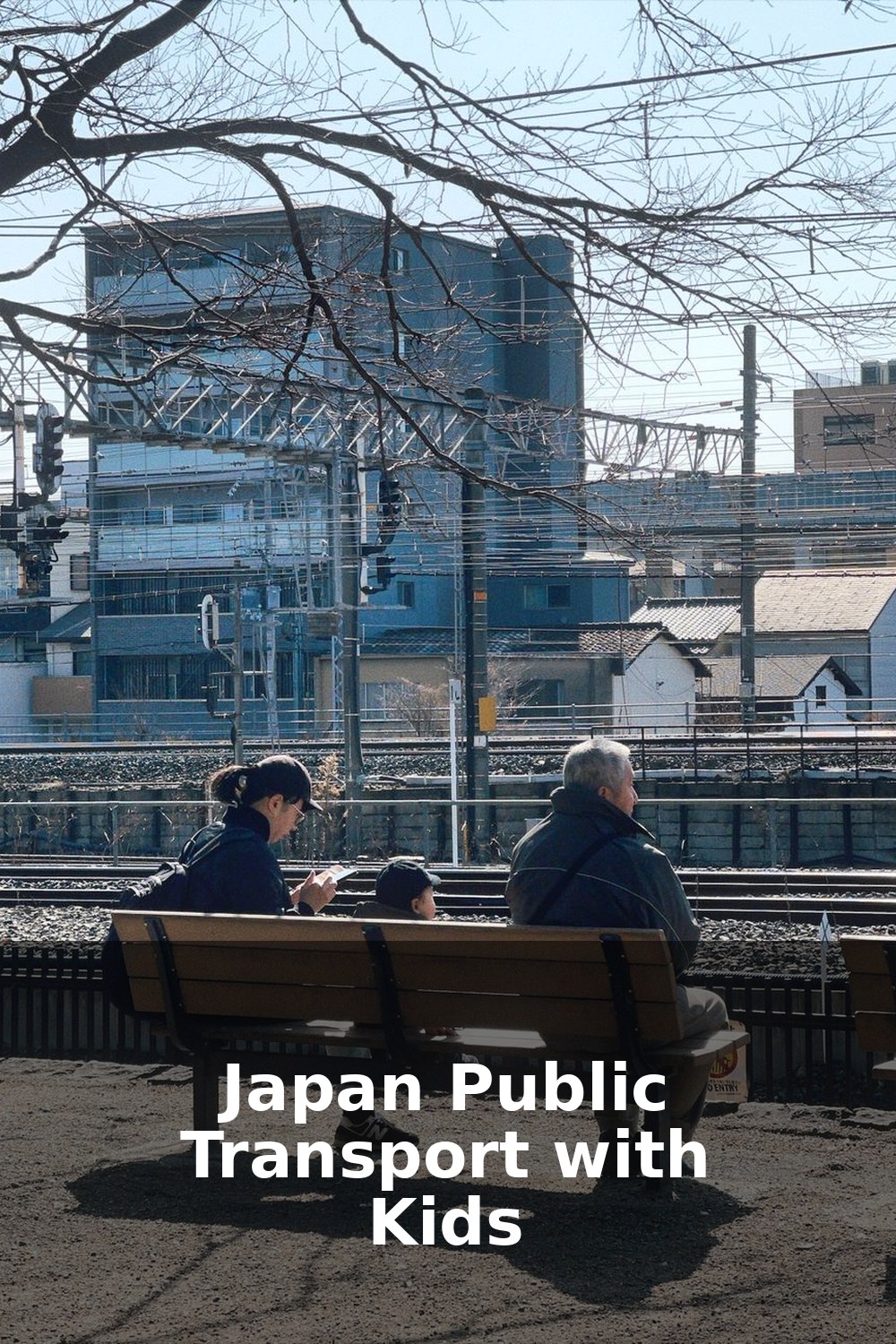
Getting around Japan with kids is surprisingly easy and can be a lot of fun! While the public transport system is efficient and kid-friendly, a few tips on tickets, etiquette, and strategies can make your journey smoother—like knowing when to bribe your toddler with a snack to avoid a meltdown at the station.
- Public transport is very kid-friendly.
- Consider getting regional rail passes for savings.
- Always have cash for ticket machines.
- Strollers are manageable on most trains.
- Know the etiquette to blend in with locals.
Tickets: What You Need to Know
Japan's public transport is a ticketing maze that can feel overwhelming. Start with the basics: most cities offer a prepaid IC card, like Suica or Pasmo, which you can use on trains, buses, and even some vending machines. These cards can be purchased at most train stations for around ¥2,000 (with a ¥500 refundable deposit) and loaded with additional yen as needed. They make traveling with kids easier, as you can simply tap your card at the gates instead of fumbling with cash.
For longer trips outside the city, consider getting a regional rail pass that suits your itinerary. For instance, the Kansai Area Pass covers popular spots like Kyoto and Osaka, priced at around ¥2,200 for one day. Get the regional pass that fits your route (skip the pricey nationwide JR Pass).
Etiquette: Blending In
Understanding local customs can make your family's experience more enjoyable. For example, keep your voice down on trains—especially during peak hours. If your kids are excited, a gentle reminder about the quietness of Japanese trains can help keep things peaceful. Also, be mindful of designated seating: some areas are reserved for the elderly, pregnant women, or those with disabilities.
Tips for Traveling with Kids
Here are a few practical tips to keep your journey smooth:
| Tip | Description |
|---|---|
| Stroller vs. Carrier | Strollers are manageable but can be cumbersome on crowded trains. |
| Snack Strategy | Pack snacks to keep energy up and avoid tantrums—snacks are your best ally! |
| Plan for Breaks | Use parks and playgrounds for breaks; Japan has many family-friendly spots. |
Remember, it's perfectly normal for kids to get overwhelmed. If a meltdown happens, try to keep calm and find a quiet space to regroup.
Kid-Friendly Transport Options
Many train stations in Japan are equipped with elevators and family restrooms, making it easier to manage strollers or diaper changes. Some stations even have dedicated family areas where you can take a breather. When in doubt, look for the helpful staff in uniforms—they are usually eager to assist.
Fun Travel Highlights
Consider adding a few fun experiences to your itinerary that kids will love, like the Ghibli Museum in Mitaka or LEGOLAND Discovery Center in Tokyo. Booking ahead can save time and ensure you get in. Book skip-the-line family tickets & experiences on Klook to streamline your visits and keep the little ones entertained!
Booking the Shinkansen with a family: a step-by-step
“Take the bullet train” is the easy part. Here is how families actually book it with little kids, big suitcases and a stroller. Fares and rules change — confirm on the official sites before you travel (as of 2026).
- Reserve seats — don’t wing it with kids. Book reserved seats in English on the official apps: smartEX for the Tokaido/Sanyo/Kyushu Shinkansen (Tokyo–Kyoto–Osaka–Hiroshima) or EKINET for JR East. You can also book at a JR ticket office (Midori-no-madoguchi) or a green ticket machine. Reserve a few days ahead in peak seasons.
- Book the oversized-baggage seats for big suitcases. On the Tokaido/Sanyo/Kyushu Shinkansen, a bag whose height + width + depth totals 160–250 cm needs a free “oversized baggage” seat reservation — the last-row seats, with a storage area behind them. Reserving it costs nothing extra; turning up without one is a ¥1,000 surcharge on board. Bags over 250 cm aren’t allowed.
- Strollers: book the last row. Fold the stroller and store it in the space behind the rear seats, so reserve the last row of the car. A folded stroller doesn’t need its own reservation.
- Know the kids’ fares. Up to two children under 6 ride free per paying adult if they sit on your lap; if a young child takes their own seat, you pay a child fare. Children aged 6–11 pay half the adult fare with their own reserved seat.
- Budget roughly. A Tokyo–Kyoto reserved seat is around ¥14,000 per adult one way, so two adults + one 6–11 child is roughly ¥35,000 one way — confirm exact fares for your dates on the official site. A Japan Rail Pass can be cheaper if you take several long trips.
- On the day. Arrive 20–30 minutes early, use station elevators (most are stroller-accessible), and grab ekiben (station bento boxes) so hungry kids are sorted for the ride.
FAQ
What age do kids ride free on trains in Japan?
Children under 6 can travel for free on most trains, but you’ll need to purchase a ticket for older kids.
Is public transport stroller-friendly?
Most trains and stations are stroller-friendly, though some older stations may lack elevators.
How do I buy tickets for public transport?
You can purchase tickets at machines in English or use a prepaid IC card for convenience.
What should I do if my child has a meltdown?
Stay calm and find a quiet area to regroup. Snacks can also help diffuse the situation!
Are there family restrooms available?
Yes, many train stations and shopping centers have family restrooms equipped with changing tables.
Can we bring food on the train?
Yes, it’s common to bring snacks and drinks on trains, but avoid strong-smelling foods.
How safe is public transport in Japan?
Japan's public transport is very safe, with low crime rates and clean facilities.
Are there any discounts available for families?
Some attractions offer family tickets or discounts; always check ahead!
Traveling with kids in Japan can be a delightful adventure with the right planning and a sense of humor. Keep your itinerary flexible, and don't forget the snacks!