Getting Around Japan with a Baby Carrier in 2026
AI-generated guide, checked with an automated quality process. Details are linked to official sources where possible — always confirm before you travel. How we make these guides →
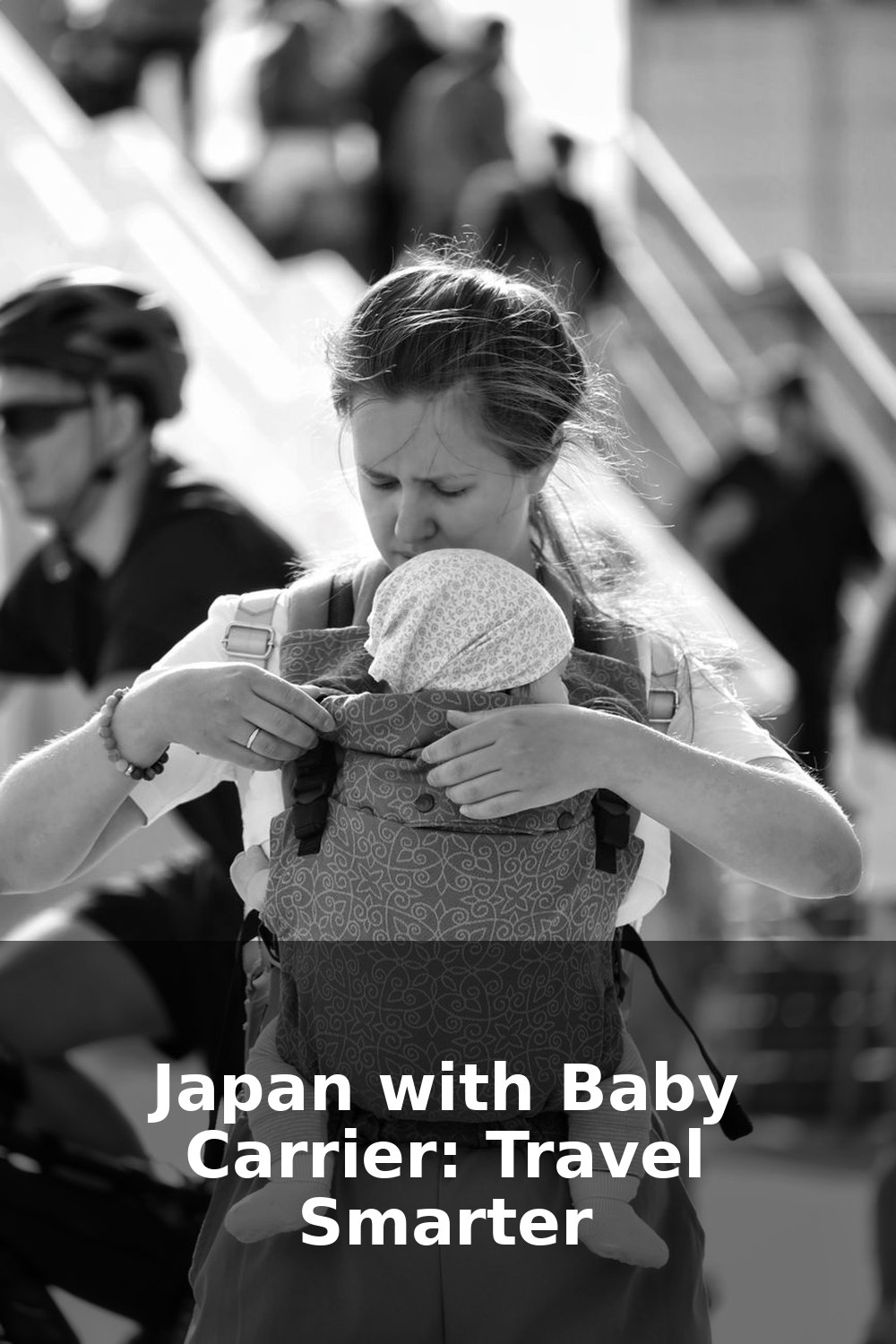
Using a baby carrier in Japan can be a fantastic way to explore, especially in bustling cities and scenic spots. It's often more convenient than a stroller, allowing you to maneuver through crowded stations and narrow streets with ease—plus, your little one gets the best view in the house! Just be prepared for some moments of toddler wiggles when you're trying to snap that perfect photo.
- Baby carriers are ideal for crowded areas.
- Public transport is stroller-friendly, but carriers offer more flexibility.
- Consider your baby's age and weight when choosing a carrier.
- Renting baby gear can lighten your travel load.
- Japan's family-friendly culture makes outings easier.
Pros of Using a Baby Carrier
Baby carriers come with a variety of advantages when navigating Japan's vibrant cities. Here are some notable benefits:
- Convenience: Carriers are easier to manage in crowded areas like Shibuya Crossing or on busy trains.
- Comfort: Many parents find that baby carriers distribute weight evenly, allowing you to carry your child for longer periods without discomfort.
- Accessibility: Certain attractions, such as temples and shrines, may have uneven paths or stairs where a stroller might struggle.
Cons of Using a Baby Carrier
While baby carriers offer many benefits, there are a few downsides to consider:
- Heat: Japan can get quite warm, especially in summer—be mindful of how heat affects your little one.
- Weight Limits: Most carriers are designed for infants and toddlers up to a certain weight (usually around 20-30 kg), so check your carrier's specifications.
- Limited Storage: Unlike a stroller, you won’t have a place to stash your bags or shopping, so consider a small backpack.
Best Practices for Using a Baby Carrier in Japan
To make the most out of your baby carrier experience in Japan, consider these best practices:
| Practice | Tip |
|---|---|
| Choose the Right Carrier | Opt for a comfortable, ergonomic design that suits your baby’s age. |
| Timing | Use the carrier during peak travel times (7-9 AM and 5-7 PM) to avoid crowds. |
| Stay Hydrated | Bring water for both you and your baby, especially in warmer months. |
Are you concerned about lugging your baby gear from home? Rent a stroller, car seat & baby gear in Japan (no lugging it from home) to lighten your load and make your travels easier.
Public Transportation Tips
Japan's public transport is known for its efficiency and cleanliness, making it easier for families to get around. Here's how to navigate with a baby carrier:
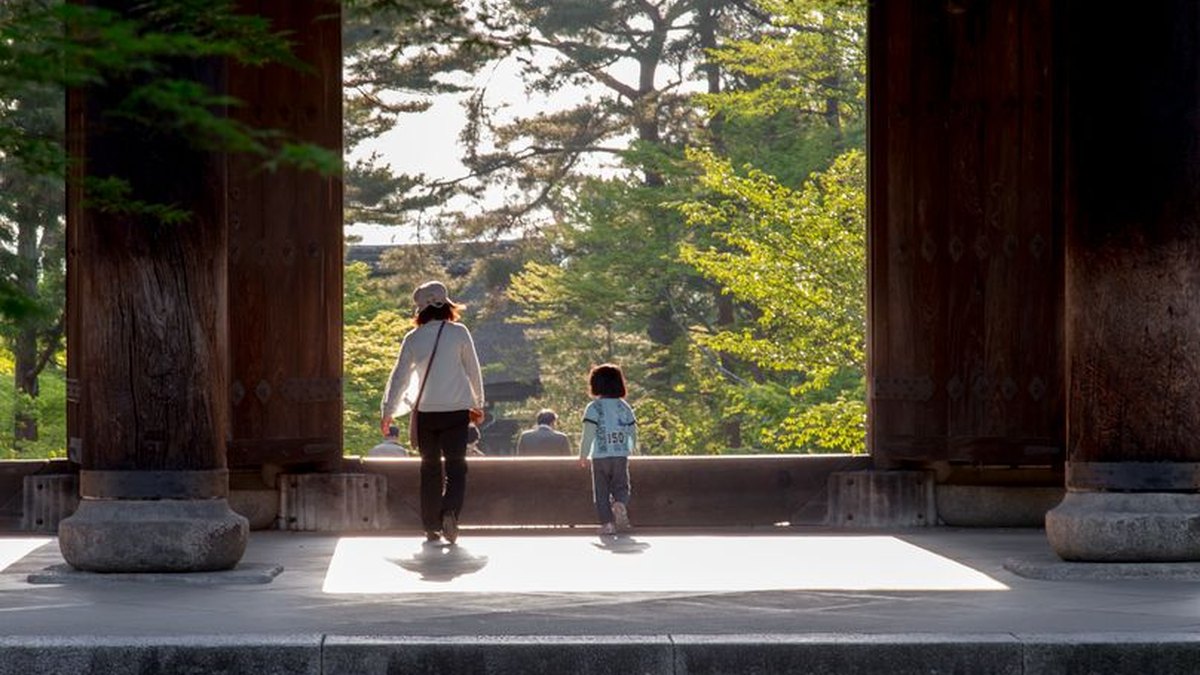
- Trains: The Shinkansen (bullet train) is a fantastic way to travel between cities quickly. Make sure to board during off-peak hours to avoid crowds.
- Subway: Stations often have elevators, but some may not. Consider using a carrier if you anticipate stairs.
- Buses: While buses can be tricky with a stroller, a carrier will allow you to hop on and off comfortably.
Kid-Friendly Attractions
Japan has a wealth of attractions that are perfect for families. Here’s a shortlist of must-visit spots where a baby carrier really shines:
- Ueno Zoo (Tokyo): A great place to see animals up close; the paths are stroller-friendly but easier to navigate with a carrier.
- Arashiyama Bamboo Grove (Kyoto): Stroll through towering bamboo stalks, where a carrier allows for easy movement through narrow paths.
- Universal Studios Japan (Osaka): Many attractions are accessible with carriers, and you can enjoy rides while keeping your child close.
FAQ
Can I use a stroller in Japan?
Yes, many areas are stroller-friendly, especially in cities. However, a baby carrier offers greater flexibility in crowded places.
What age is best for using a baby carrier?
Most carriers can accommodate infants from around 3-4 months up to toddlers weighing 20-30 kg.
Are baby carriers easy to use on public transport?
Yes, they are generally easier than strollers for navigating busy trains and buses.
Where can I rent baby gear in Japan?
You can rent a stroller, car seat & baby gear in Japan for convenience.
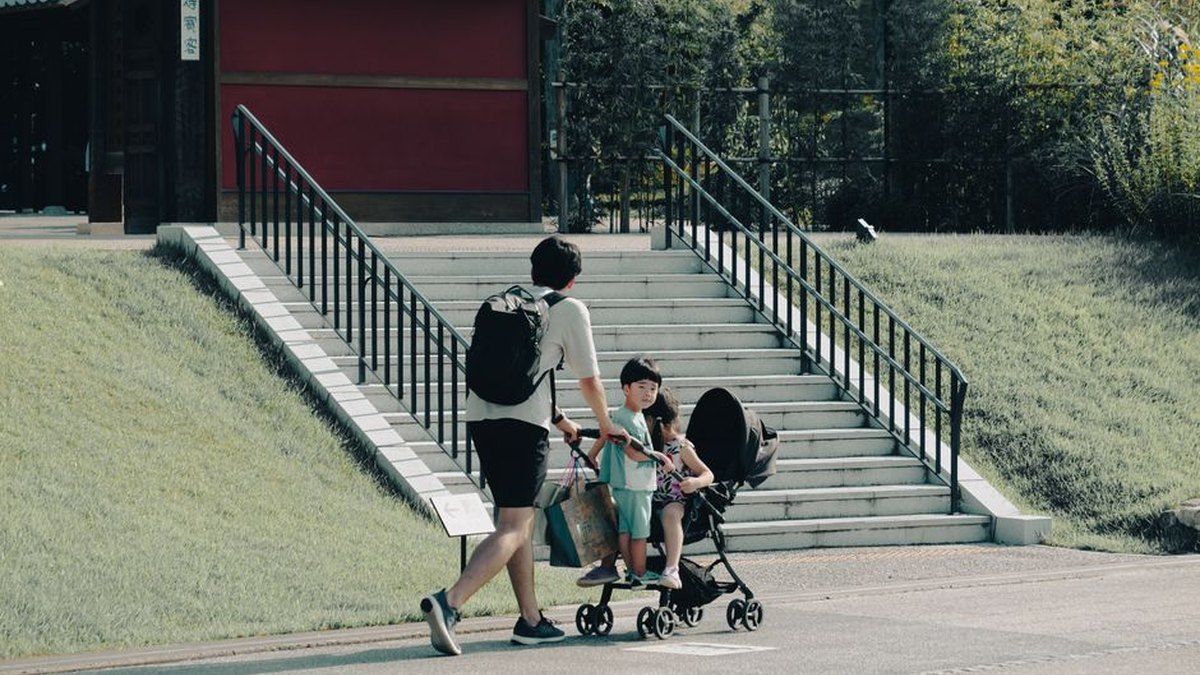
What should I pack for a day out with a baby carrier?
Pack water, snacks, a light blanket, and any necessary baby supplies, keeping your load light.
How do I keep my baby cool in a carrier?
Dress your baby in lightweight clothing and bring a sun hat. Take breaks in shaded areas to cool down.
Is it safe to hike with a baby carrier in Japan?
Yes, but choose easy trails and ensure your baby is secure in the carrier.
What if my baby needs a nap while out?
Most babies can nap comfortably in a carrier, but be mindful of their positioning to ensure safety.
Traveling with a baby carrier in Japan can enhance your experience, providing flexibility and comfort in exploring this beautiful country. Remember to plan your routes and enjoy the journey!