Beating Jet Lag with Kids in Japan (2026)
AI-generated guide, checked with an automated quality process. Details are linked to official sources where possible — always confirm before you travel. How we make these guides →
Beating Jet Lag with Kids in Japan (2026)
To beat jet lag with kids in Japan, establish a flexible sleep schedule before departure and keep them hydrated during your flight. Kids, like most parents, often think sleep is overrated—until they’re wide awake at 3 AM in a Tokyo hotel!
- Adjust sleep schedules gradually
- Hydrate during the flight
- Use sunlight to reset internal clocks
- Plan low-key activities on arrival
- Incorporate naps when needed
Tips for a Smooth Transition
Jet lag can feel like a grumpy gremlin popping out of your suitcase, especially with little ones in tow. Here are some practical, tried-and-true strategies to help your family adjust more effortlessly:
1. Pre-Trip Sleep Adjustments
Start nudging your family’s sleep schedule a few days before departure. Shift bedtime by 15-30 minutes closer to Japan’s time zone each night. For example, if you’re flying from New York to Tokyo (a 13-hour difference), aim to have your kids going to bed and waking up 1-2 hours earlier than usual for about a week before you leave. This gentle shift can make that first morning in Japan feel less like a zombie apocalypse.
2. Keep Hydrated
During the flight, encourage your kids to sip water regularly. Think of it as giving their internal clocks a little spa treatment! Airplane air is notoriously dry, and dehydration can make jet lag symptoms feel much worse. A refillable water bottle is your best friend here—most airports have water stations, and kids love the independence of filling their own. Avoid sugary drinks, which can disrupt sleep.
3. Embrace Sunlight
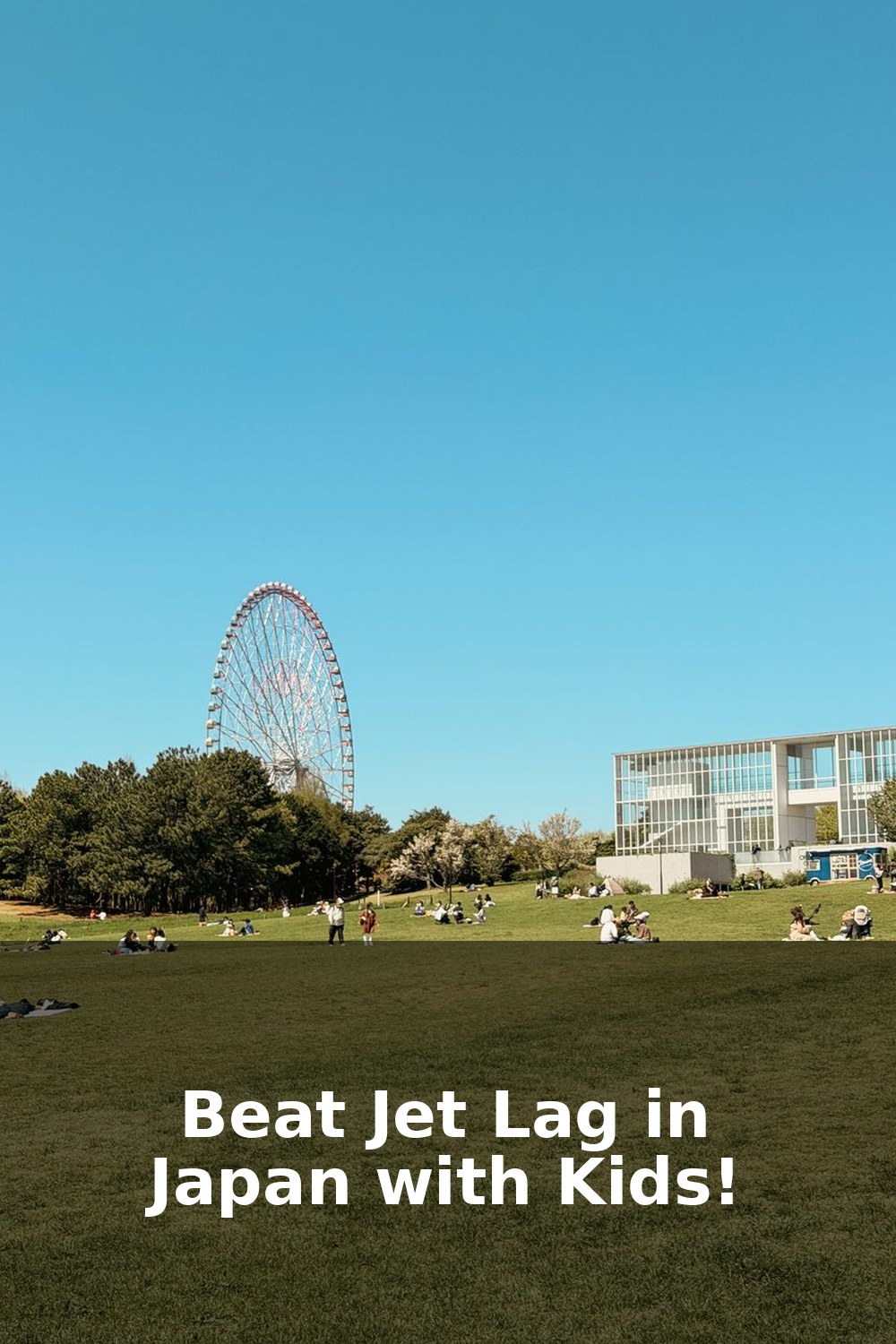
Once you arrive, throw open those curtains! Natural light is your secret weapon for resetting your children’s internal body clocks. A leisurely stroll in a nearby park shortly after you arrive, or a visit to a family-friendly spot like Ueno Park in Tokyo, is a perfect way to soak up some sun. Ueno Park also boasts fantastic playgrounds and museums (like the National Museum of Nature and Science), making it an excellent, low-pressure choice for a family outing that feels more like play than a chore.
4. Plan Low-Key Activities
For the first two days, resist the urge to cram everything in. Think gentle exploration, not marathon sightseeing. Consider a relaxed walk around your hotel’s neighborhood, letting the kids discover local sights. A visit to a calm local market or a park can be just the ticket. Places like the Nishiki Market in Kyoto, while bustling, can be enjoyed at a slower pace with kids, focusing on the colorful stalls and delicious, easy-to-eat snacks like tamagoyaki (rolled omelet) without feeling overwhelming.
5. Nap Wisely
If your little ones are visibly flagging, don’t be afraid of a short power nap. Aim for a maximum of 30 minutes, preferably in the early afternoon, to prevent them from disrupting nighttime sleep. You might find them dozing off peacefully in the stroller while you navigate the vibrant chaos of Shibuya Crossing—and that’s perfectly okay!
| Strategy | Details |
|---|---|
| Gradual Sleep Adjustment | Shift bedtime by 15-30 minutes for several days prior |
| Hydration | Encourage regular water intake during flights; avoid sugary drinks |
| Sunlight Exposure | Spend time outdoors, especially in the morning, upon arrival |
| Low-Key Activities | Choose relaxed outings for the first two days, like park visits or neighborhood strolls |
| Napping | Limit naps to 30 minutes, ideally before 3 PM, to prevent grogginess and nighttime sleep disruption |
Kid-Friendly Spots to Explore
While you're busy managing jet lag, you’ll still want to explore Japan's wonders! Here are some kid-approved destinations that make it easier to stay active without overwhelming tired little bodies:
1. Tokyo Disneyland and DisneySea
These two theme parks are guaranteed hits with kids of all ages, offering a magical mix of thrilling rides, captivating shows, and beloved character meet-and-greets. Tickets can be pre-purchased online for convenience. Book skip-the-line family tickets & experiences on Klook to save precious time waiting in queues.
2. Ghibli Museum, Mitaka
Fans of Studio Ghibli’s enchanting animations will find this museum utterly captivating. It’s essential to book tickets well in advance (often months ahead!), as they are notoriously difficult to get. Kids can wander through the whimsical worlds of Totoro and Kiki—a delightful way to spark their imaginations while you enjoy a quieter moment.
3. Arashiyama Bamboo Grove
This iconic Kyoto spot offers a truly mesmerizing experience walking through towering bamboo stalks that seem to reach the sky. Kids can enjoy the feeling of being in a natural wonderland and the ample space to move around. For an added thrill, the nearby Iwatayama Monkey Park offers a chance to see wild monkeys (be sure to follow the park's rules!).
4. Osaka Castle Park
With its vast, beautifully maintained gardens and impressive castle backdrop, Osaka Castle Park is perfect for a leisurely exploration. Kids can run and play in the open green spaces while you admire the stunning architecture. A picnic here can be a wonderful way for the whole family to recharge amidst historical grandeur.
FAQ
How can I help my child adjust to local time in Japan?
Encourage them to embrace local time as soon as you arrive. This means aiming for meals around local meal times (e.g., 7-8 AM for breakfast, noon for lunch, 6-7 PM for dinner) and sticking to a consistent bedtime and wake-up routine based on the Japanese clock. Gradually adjusting their sleep schedule before departure can significantly ease this transition.
What are some healthy snacks to bring for the flight?
Consider packing a mix of portable, non-messy options like unsalted nuts (if no allergies), dried fruits (like raisins or apricots), whole-grain crackers, or individually packaged granola bars. These options are filling and provide sustained energy, helping to keep little tummies happy during long travel hours.

Is it safe to travel in Japan with children?
Yes, Japan is renowned for its exceptional safety for families. Public transportation is efficient and clean, and most public spaces and facilities are very child-friendly. The low crime rate significantly reduces parental stress.
How do I find kid-friendly restaurants in Japan?
Look for restaurants with a clear 'kids' menu' (often called kodomo setto or similar). Many family restaurants (famiresu) and cafes in tourist areas are very accommodating. Don't hesitate to ask staff if they have high chairs (haichairu) or children's cutlery (kodomo you-you). Even small, local eateries are often welcoming if you approach them with a smile.
What if my child has food allergies?
Japan has specific food labeling laws for certain allergens. It's highly recommended to carry a detailed allergy translation card in Japanese that clearly states your child's specific allergies and what they must avoid. Present this card to restaurant staff before ordering. While labeling helps, clear communication is key. You can find resources online that provide detailed allergy information and translation cards. Always err on the side of caution and consult official Japanese government resources like the Consumer Affairs Agency (CAA) for the most current information on food labeling: [https://www.caa.go.jp/policies/policy/food_labeling/food_sanitation/allergy/](https://www.caa.go.jp/policies/policy/food_labeling/food_sanitation/allergy/)
Can I rent a stroller in Japan?
Yes, stroller rentals are available, particularly at major airports and train stations for convenience. Rent a stroller in Japan if you prefer not to bring your own, ensuring easy mobility around cities and attractions.
What should I pack for my kids when traveling to Japan?
Pack clothing in layers, as weather can change. Comfortable, broken-in shoes are essential, as you’ll be doing a lot of walking! A lightweight, waterproof jacket is also a good idea. Consider a small, durable travel backpack for your child, which can hold their snacks, a favorite small toy, or a drawing pad for the journey.
Final Takeaway
With a little strategic planning and a generous dose of patience (and perhaps a few extra snacks!), you can successfully conquer jet lag and create truly unforgettable family memories in Japan.