Getting Around Japan with Kids
Trains, the Japan Rail Pass, strollers, car seats and day trips — how to move around Japan with little ones.
How families actually get around Japan
Japan is one of the easiest countries in the world to explore by public transport with children — but a few family-specific things are worth knowing before you go. Below is the short version; each linked guide goes deeper.
IC cards (Suica / PASMO) — tap and go
A rechargeable IC card lets you tap through ticket gates and pay on most trains, subways and buses without buying paper tickets each time, and works at convenience stores too. Children can have their own discounted children’s IC card. It removes a lot of friction when you are travelling with kids and luggage. (Confirm the current card options and any registration rules on the official transit operator’s site.)
Child fares
As a general rule, primary-school-age children (roughly 6–11) pay a reduced child fare, and very young children travel free within set limits when accompanied by a paying adult. The exact ages, limits and reserved-seat rules vary by operator, so check the official fare page for your route before relying on it.
Strollers, elevators and crowds
Most major stations have elevators, but they can be tucked away and the walk between lines is sometimes long. A compact, easily folded stroller is the most flexible choice, and travelling just outside the busiest rush hours makes a real difference with little ones. See our stroller-friendly Tokyo and Kyoto with a stroller guides for step-free routes.
Shinkansen and long-distance
For the bullet train, reserving seats is worth it when travelling as a family, especially in peak periods. If you have a stroller or large cases, note that the dedicated oversized-baggage spaces now need to be reserved in advance — our Shinkansen oversized-baggage guide explains how, and the Japan Rail Pass guide helps you decide whether a pass is worth it for your itinerary (it usually is not for a Tokyo-only trip).
Taxis and car seats
Regular taxis generally do not carry child car seats. For city hops this is usually fine for short rides, but for longer drives or rural areas a rental car with properly fitted seats is the safer plan — see renting a car with car seats.
Fares, ages and rules change and vary by operator — always confirm the current details on the official transit site before you travel.
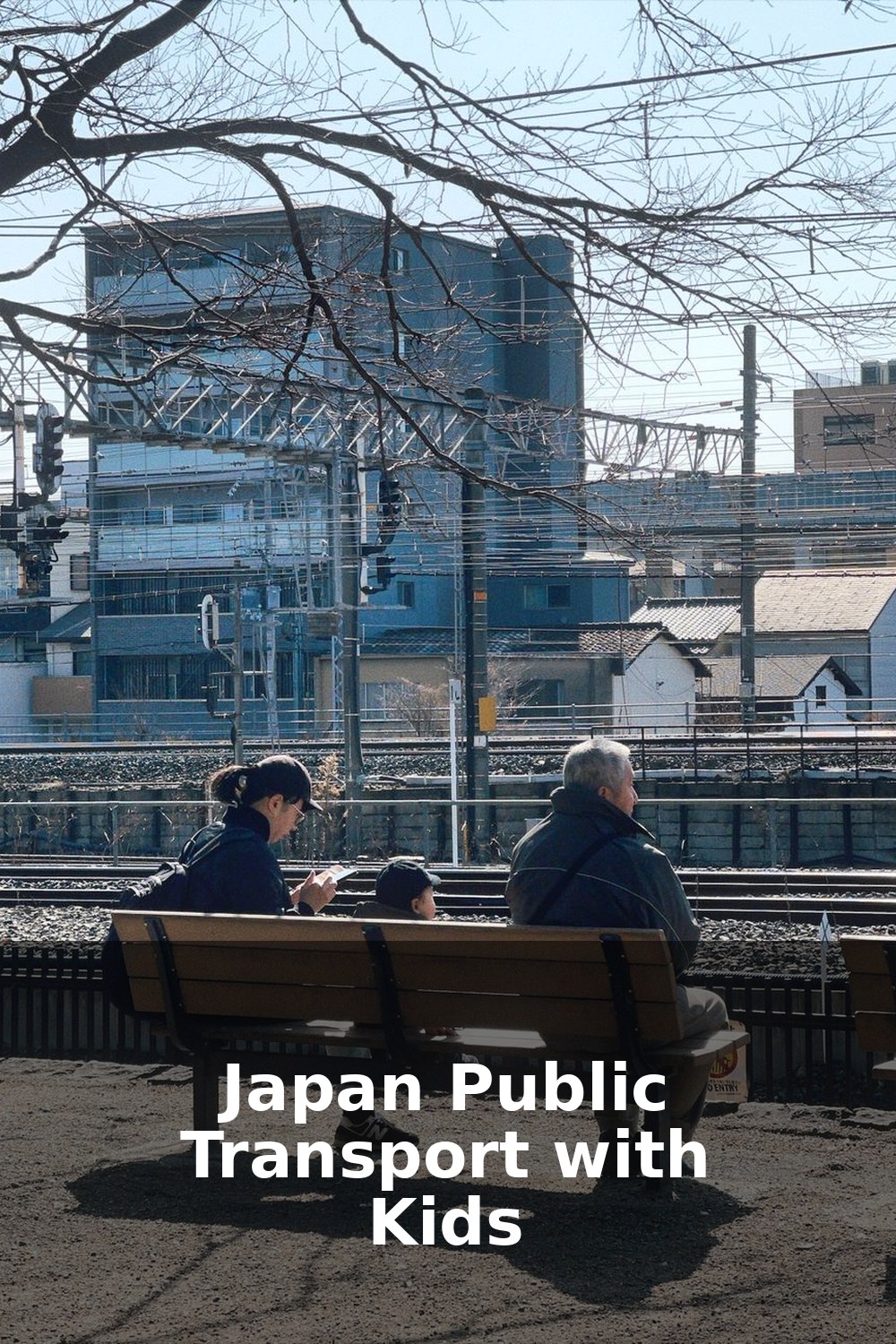
Navigating Japan's Public Transport with Kids in 2026
Navigate Japan's public transport with kids in 2026. Discover tips on tickets, etiquette, and family-friendly options.
Booking the Shinkansen with a family: a step-by-step
“Take the bullet train” is the easy part. Here is how families actually book it with little kids, big suitcases and a stroller. Fares and rules change — confirm on the official sites before you travel (as of 2026).
- Reserve seats — don’t wing it with kids. Book reserved seats in English on the official apps: smartEX for the Tokaido/Sanyo/Kyushu Shinkansen (Tokyo–Kyoto–Osaka–Hiroshima) or EKINET for JR East. You can also book at a JR ticket office (Midori-no-madoguchi) or a green ticket machine. Reserve a few days ahead in peak seasons.
- Book the oversized-baggage seats for big suitcases. On the Tokaido/Sanyo/Kyushu Shinkansen, a bag whose height + width + depth totals 160–250 cm needs a free “oversized baggage” seat reservation — the last-row seats, with a storage area behind them. Reserving it costs nothing extra; turning up without one is a ¥1,000 surcharge on board. Bags over 250 cm aren’t allowed.
- Strollers: book the last row. Fold the stroller and store it in the space behind the rear seats, so reserve the last row of the car. A folded stroller doesn’t need its own reservation.
- Know the kids’ fares. Up to two children under 6 ride free per paying adult if they sit on your lap; if a young child takes their own seat, you pay a child fare. Children aged 6–11 pay half the adult fare with their own reserved seat.
- Budget roughly. A Tokyo–Kyoto reserved seat is around ¥14,000 per adult one way, so two adults + one 6–11 child is roughly ¥35,000 one way — confirm exact fares for your dates on the official site. A Japan Rail Pass can be cheaper if you take several long trips.
- On the day. Arrive 20–30 minutes early, use station elevators (most are stroller-accessible), and grab ekiben (station bento boxes) so hungry kids are sorted for the ride.
Japan Rail Pass with Kids: Worth It in 2026?
Discover if the Japan Rail Pass is worth it for your family trip in 2026. Explore child fares, amenities, and travel tips.
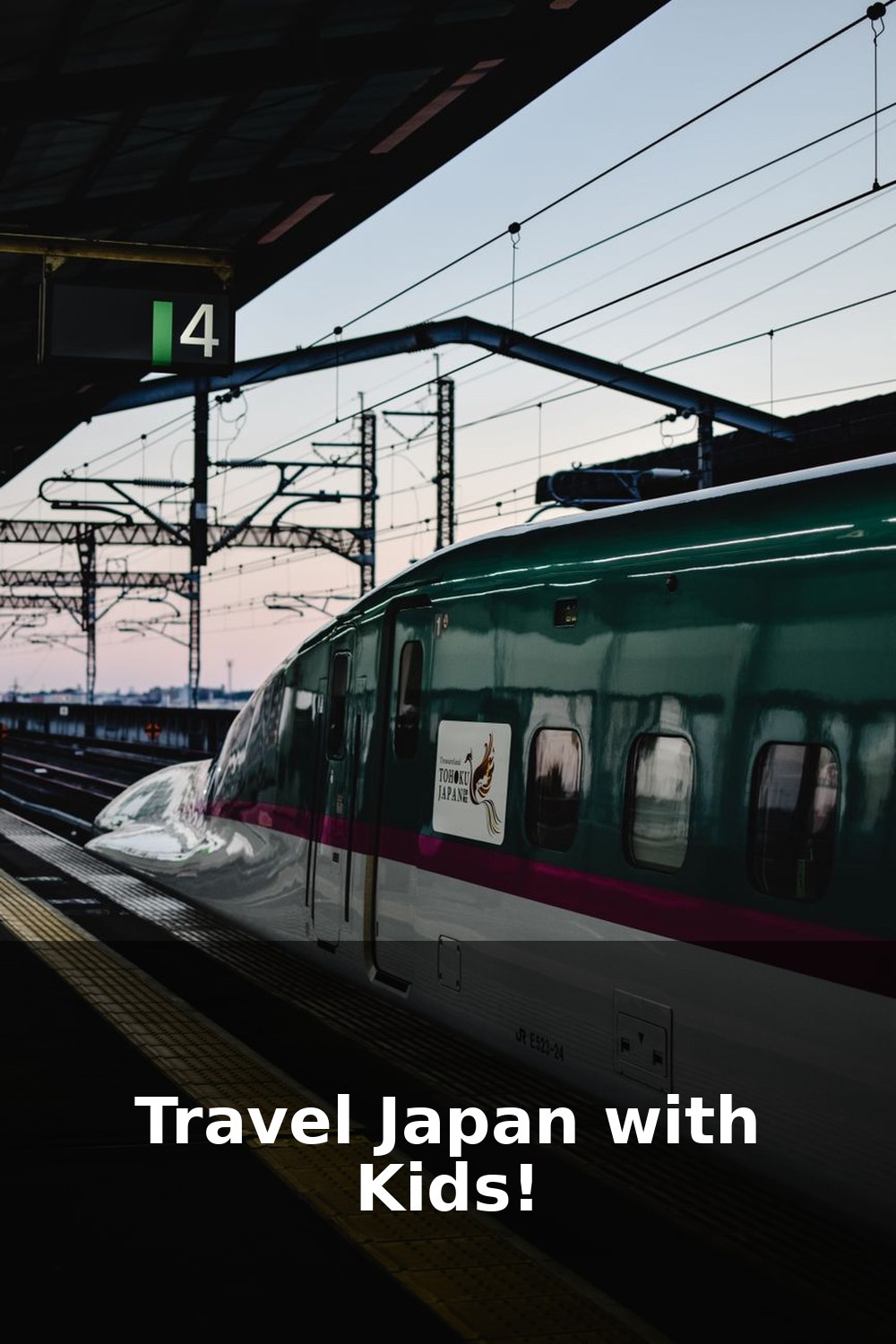
Navigating Shinkansen Oversized Baggage Rules in 2026
Learn how to navigate Shinkansen baggage rules and reserve seats for families traveling with strollers in Japan.
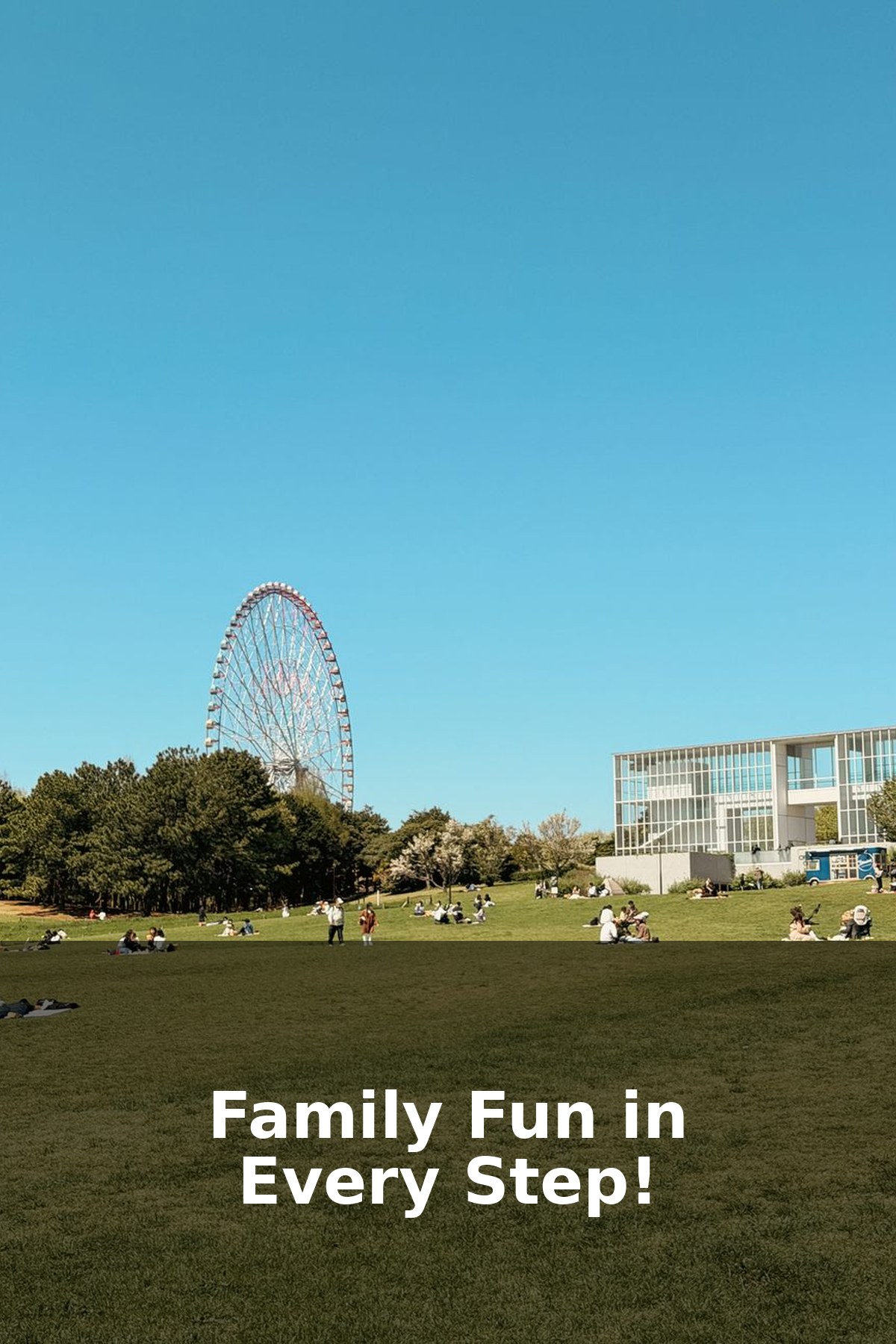
Stroller-Friendly Tokyo: Family Travel Tips for 2026
Discover stroller-friendly tips for navigating Tokyo with kids in 2026. Explore attractions, dining, and more for a smooth family trip.
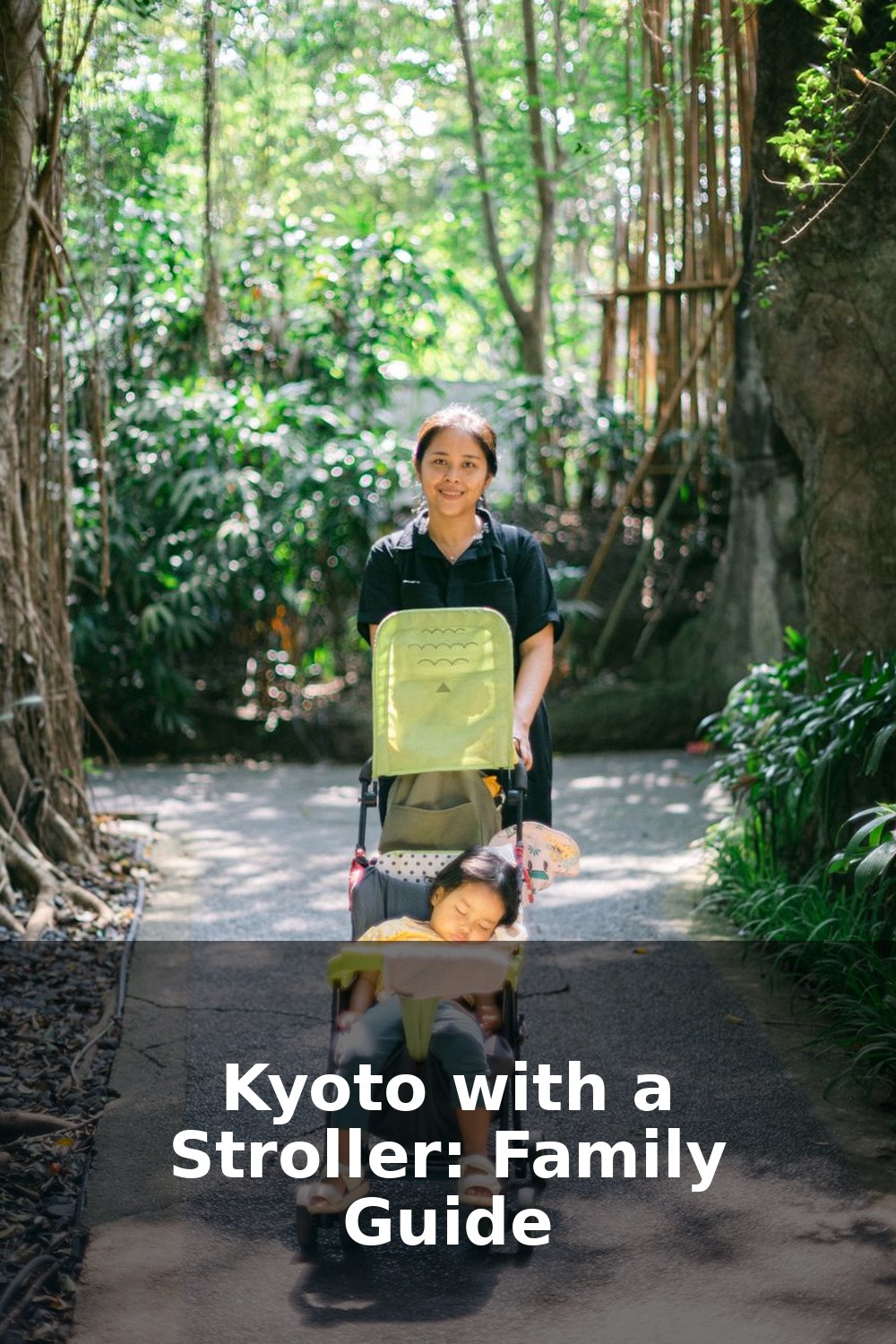
Exploring Kyoto with a Stroller in 2026
Explore kid-friendly Kyoto with accessible routes and attractions for families traveling in 2026.
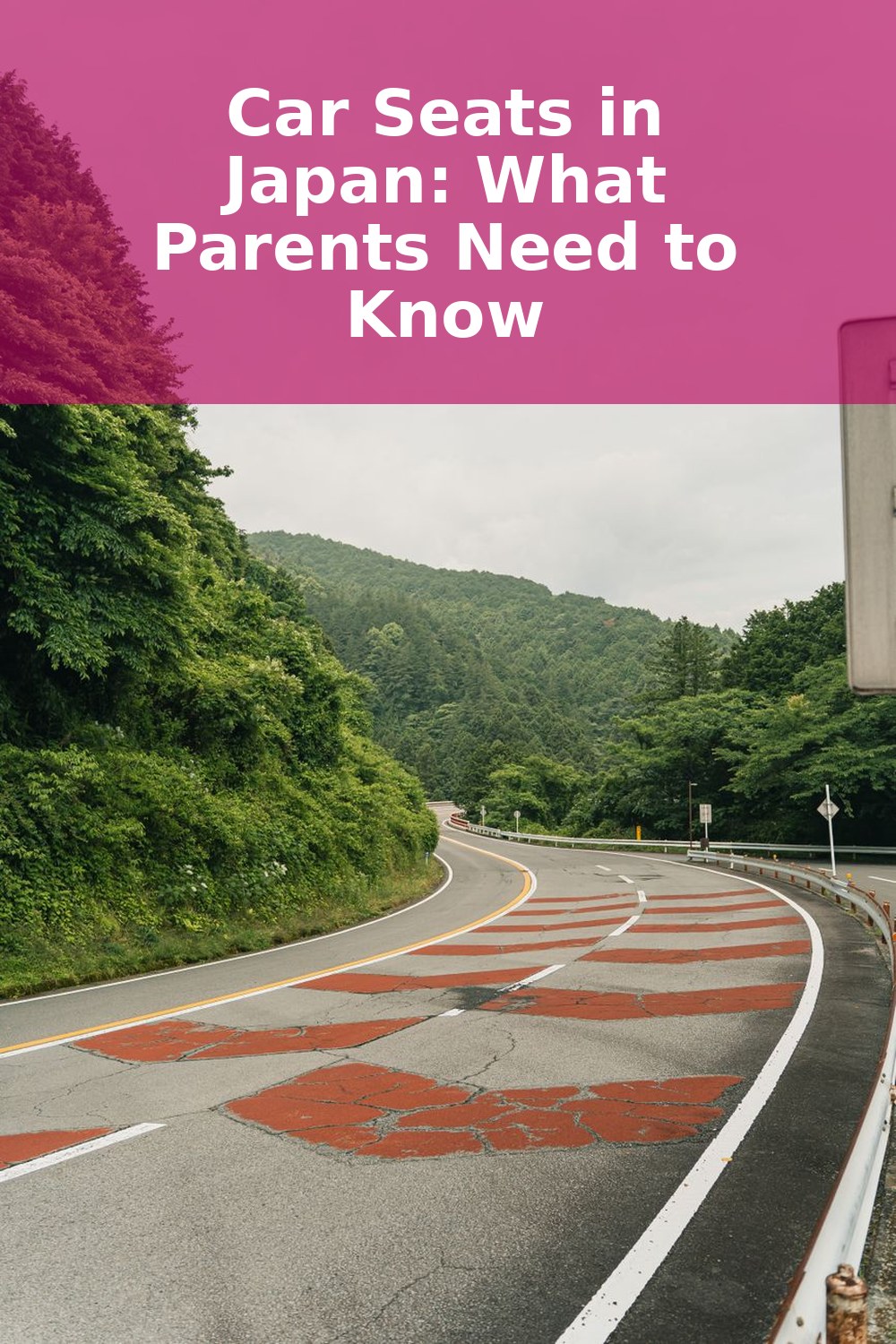
Renting a Car in Japan with Car Seats: Family Tips for 2026
Learn about renting a car in Japan with child seats for your family trip in 2026. Understand legal requirements and rental options.
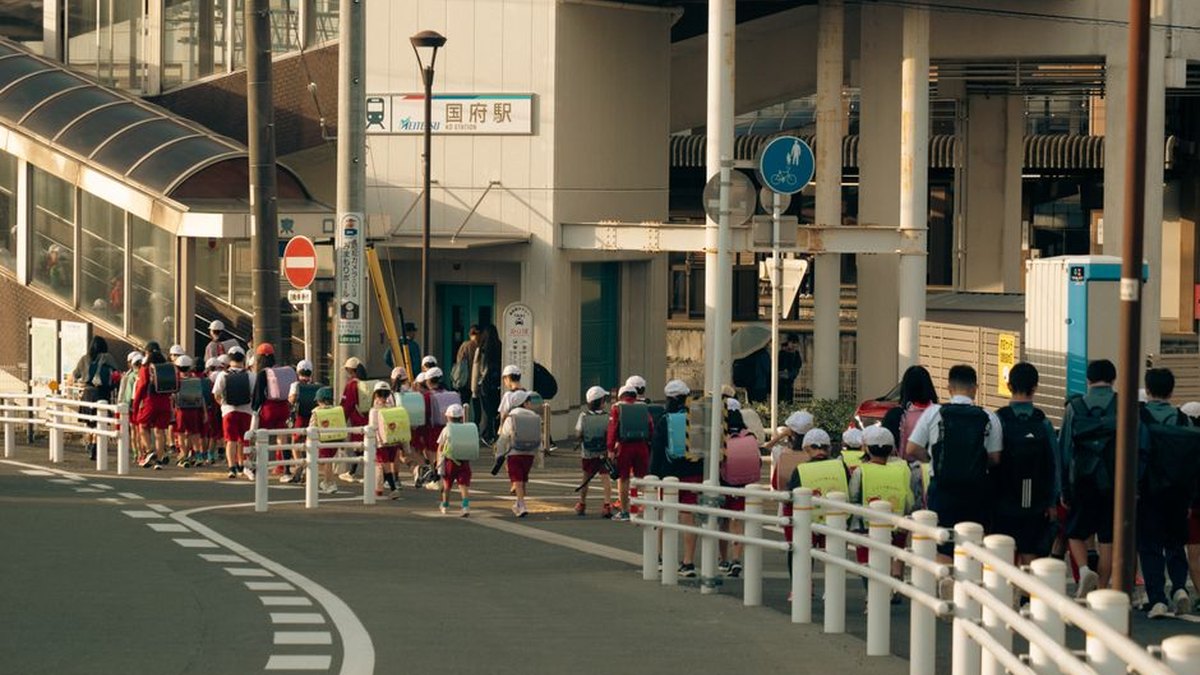
Japan Public Transport with Kids: IC Cards & Strollers (2026)
Traveling to Japan with kids? This guide covers how child IC cards work, detailed age categories for fares (babies, infants, children), and invaluable…
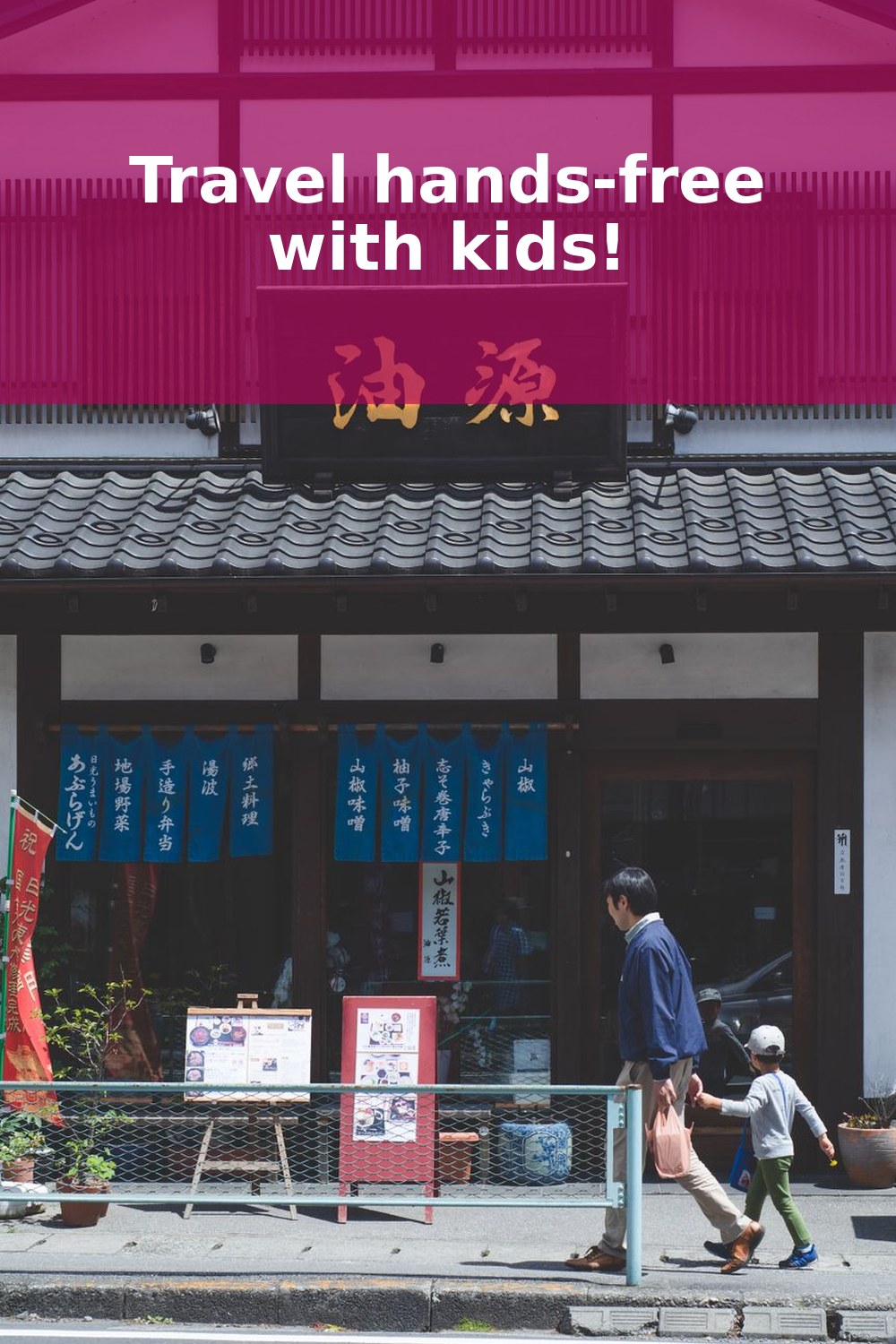
Hands-Free Travel in Japan with Kids (2026)
Explore family travel tips for Japan! Learn how luggage forwarding services can lighten your load while visiting kid-friendly attractions.
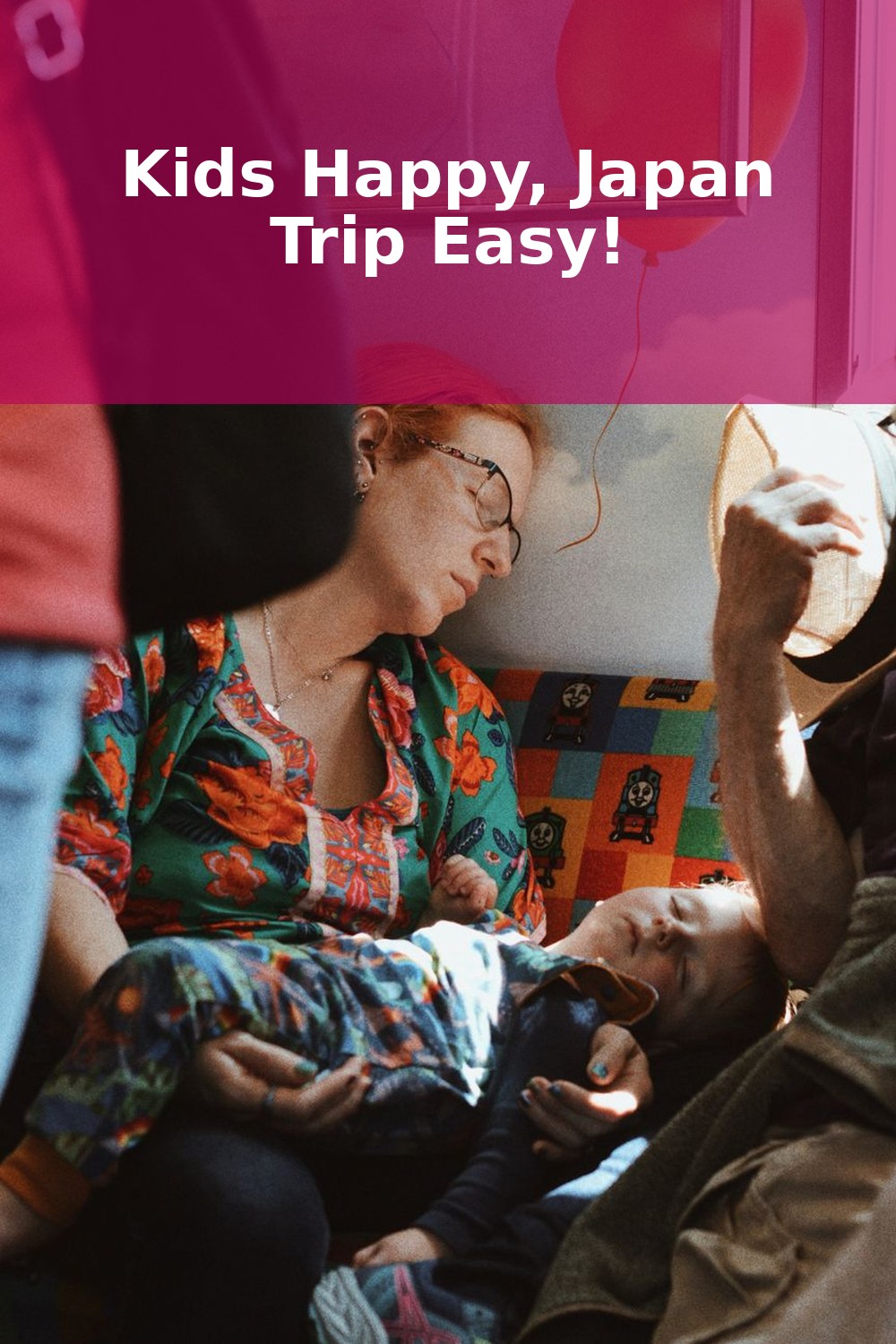
Keeping Kids Happy on Long Japan Journeys: Flights & Trains (2026)
Traveling Japan with kids? Discover essential tips for keeping children entertained and comfortable on long flights and train journeys. Learn about ai…